The Persistent Allure of Jueteng
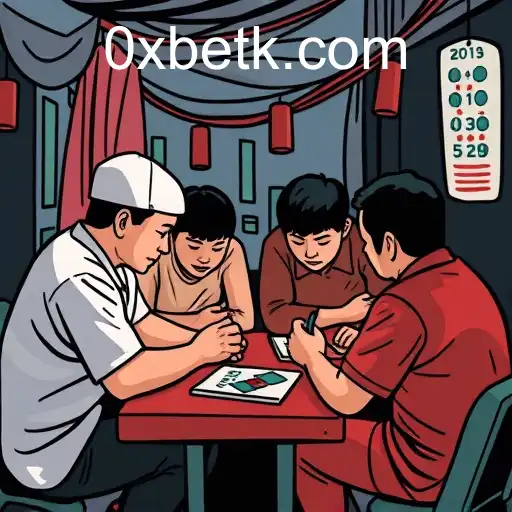
Jueteng, a popular numbers game rooted deeply in Filipino culture, has been both a subject of fascination and controversy for decades. Its pervasive nature and complex implications continue to intrigue many across different societal strata. Known for its simplicity and the allure of potential winnings, Jueteng is both celebrated and critiqued widely in the Philippines.
Understanding Jueteng: A Cultural Phenomenon
Jueteng originated during the Spanish colonial era, gaining immense popularity as a traditional grassroots betting game. The game operates with two sets of numbers, each ranging from 1 to 37. Participants, lured by the possibility of substantial earnings, select combinations with the hope of striking a lucrative arrangement.
Due to its informal setup, Jueteng is administered by 'cobradors' and 'cabos'—collectors and operators who blend seamlessly into community life. This has helped the game flourish in regions nationwide, making it a notable element of Filipino culture.
The Social and Economic Impact of Jueteng
Despite its status as an illegal gambling activity, Jueteng transcends mere play, offering significant social and economic impacts. For many families, daily wagers represent not just a pastime, but a potential avenue for quick financial relief amidst economic hardships.
However, the economic allure often comes at a societal cost. The unregulated nature of Jueteng results in immense revenues that feed into shadow economies and, oftentimes, unscrupulous gain, fostering corruption and socio-political instability. Law enforcement efforts to curb its spread are regularly challenged by the game’s deep-rooted acceptance and the pervasive power structures benefiting from its proceeds.
Modern Shifts: Jueteng Meets Technology
With technological advancements and the rise of digital platforms, the landscape of gambling, including traditional games like Jueteng, is evolving. Companies like mcgames.bet exemplify this transformation by offering alternative platforms that capitalize on modern convenience and digital engagement.
While traditional Jueteng continues to operate in its conventional form, digital counterparts now attract younger, tech-savvy demographics. Platforms like mcgames.bet provide a safer and more controlled environment for enthusiasts who value legality and convenience over the clandestine nature of street-side betting.
Regulatory Challenges and Future Prospects
The intersection of tradition and technology, as seen with the likes of mcgames.bet, poses both regulatory challenges and opportunities. Policymakers are tasked with finding innovative solutions that reconcile traditional practices with the demands of a digital economy.
Regulating Jueteng and its modern iterations might also pave the way for generating new revenue streams through taxation and legal oversight. This presents an opportunity for financial growth and community development if approached with careful consideration and strategic planning.
Cultural Preservation and Community Dynamics
Amidst technological and regulatory developments, cultural preservation remains a dominant narrative. Jueteng is more than a mere game; it is a social glue for many communities. Understanding this intricate relationship is crucial for anyone considering reforms or innovations in this arena.
Innovation in the gambling industry, such as through mcgames.bet, can create partnerships that respect local traditions while introducing responsible gaming practices. Engaging communities in dialogue about these changes is paramount to ensure the benefits extend beyond mere gameplay.
Conclusion: Navigating Traditions and Innovations
Jueteng continues to captivate and confound due to its cultural significance and the complex realities it presents. As the game evolves with contemporary shifts, platforms like mcgames.bet offer a glimpse into a future where tradition and innovation might coexist fruitfully.
Ultimately, navigating this landscape requires a nuanced understanding of community needs, ethical gaming practices, and strategic regulatory frameworks. Balancing these elements will forge a path that respects cultural heritage while embracing the potential of modern transformations.